

“That which we persist in doing becomes easier, not that the task itself has become easier, but that our ability to perform it has improved.”
Ralph Waldo Emerson (1803 – 1882)
An interview is without doubt a pressure-cooker setting. You may know exactly what you want to say before the interview, but in that high stress environment, it is not surprising to suffer brain-freeze and respond in a completely unanticipated way. One of the few remedies to counter this awkward effect is preparation – lots of it. Interviewing is a skill; like riding a bike or throwing a baseball, so it naturally takes practice and effort. Let’s look at some of the ways in which you can give your interviewing muscles a good work out.
Mirror, Mirror on the Wall….
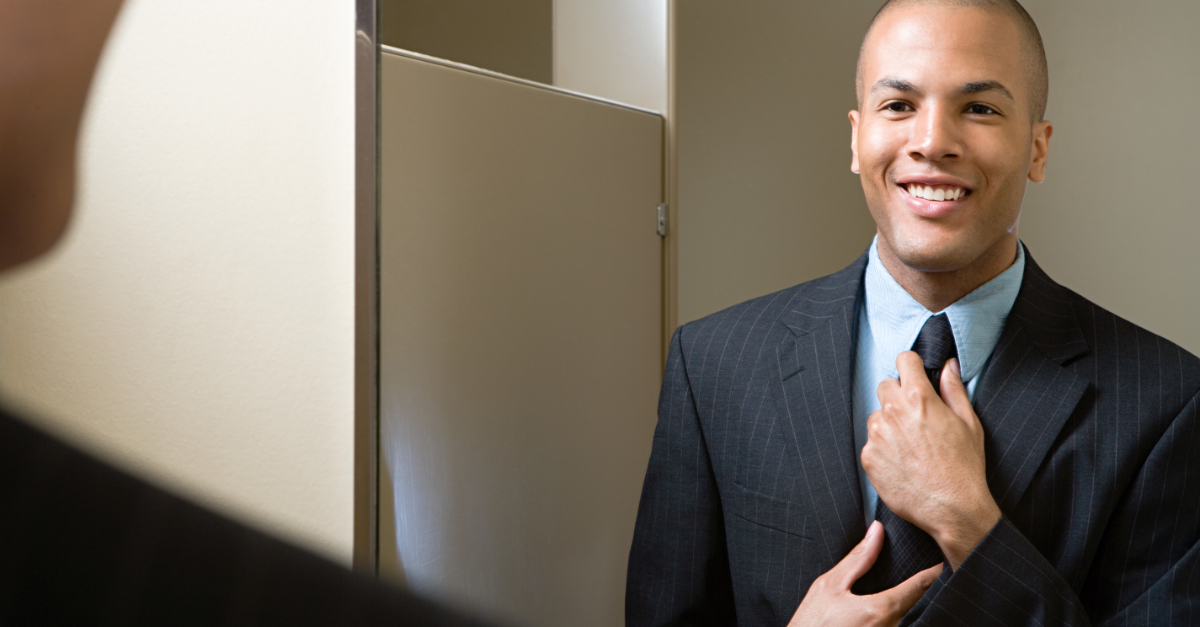
One simple but good exercise is to spend some quality time in front of a mirror. Ideally you can find a mirror to sit in front of, to mimic how you will appear across the table from your interviewer, but a smaller mirror will do for some of these exercises as well. The purpose is to see yourself from your interviewer’s perspective. Focus on your facial expressions, body language and delivery. To start with, practice some of the fundamental mechanics that are vital to a great interview: smiling, eye contact, hand position and body language.
Mock Interviews
Most universities have career counseling centers that provide free interview preparation services. Sometimes they are geared more towards general job interviews. Often, however, there are staff members trained in conducting mock graduate school interviews, even medical school interviews specifically if your school has a pre-health advising office. Given that you’re almost certainly paying for this service in the form of school fees, feel free to take advantage of this excellent opportunity.
Mock interviews are usually set in a formal environment and are intended to be as real as possible. Most ask “candidates” to come dressed as they would for real interviews. The interviewer asks you questions, ideally relevant to medical school admissions. This is your opportunity to deliver the responses you have prepared. Afterward, the interviewer will evaluate your performance and provide constructive feedback.
If your career center has the ability to videotape the interview, ask to have it taped. This is a highly useful technique despite how painful it may be to watch yourself on video. You will be able to see the nervous tics, count the “umms,” listen to your overall delivery and evaluate your credibility.
Furthermore, you will be able to see how you responded to tough questions. Pay special attention to these. Make a note of any “bad habits” that came out under this stress, and then focus on eliminating them during future preparation. Also make a note of which questions gave you the most trouble, and spend more time practicing your responses to those questions in particular.
Practically speaking, mock interviews accomplish the same ends as the mirror sessions, but they offer certain advantages:
- They are more realistic.
- They offer a level of uncertainty for you, as the ‘candidate.’
- Candidates cannot anticipate the questions.
- Candidates do not know in advance how the room and seating will be arranged.
- Candidates cannot predict the temperament or pace of the interview.
- They provide direct feedback from a skilled observer (e.g. the interviewer).
- They illustrate the areas in which you were or were not prepared.
- A videotape displays how you respond in frightening detail, which allows for tremendous improvement.
Conclusion
The amount of time and effort that you dedicate to your interview preparation will directly impact the ease and professionalism of your delivery. If you have mastered these skills, you will be able to more efficiently and effectively use the limited time during an interview to show who you are, and to drive home why you would be an excellent addition to their medical school.
Although good interview skills come more naturally to some than others, the basic skills and exercises described above can open the door to interview success for people who are not naturally gifted in this area. Nevertheless, regardless of your current level of interviewing skill, I hope that some of the exercises and suggestions in this article will improve your delivery and help you sail through interviews.
Please email your medical school interview questions to Dr. Fleenor at [email protected].
Need expert support?
Get confidential guidance at any stage of your career, or work with a pre-health coach to build a stronger application plan.
Ask an Advisor
Ask a quick confidential question in an anonymous setting and hear from SDN verified expert advisors. Always human, always free.
Acceptance StrategyWork with a Pre-Health Coach
Work longitudinally with SDN's pre-health coach on application strategy, planning, and decisions that can strengthen your application.
Nonprofit SupportSupport Free Advising
Support SDN's nonprofit service and keep free advising available to every student who needs trusted guidance.


Great tips. However, I emailed some questions to Dr. Fleenor at the listed email address and got a delivery failure notification that there is no such user. Why is that? Thanks.
I’m glad you enjoyed the article. I’ve double-checked the link and verified with Dr. Fleenor that the address [email protected] is correct. He is receiving e-mails there, so I’m not entirely sure what to suggest.
Perhaps try e-mailing him from a different address? Please let me know if you continue having difficulties and thanks for reading!