


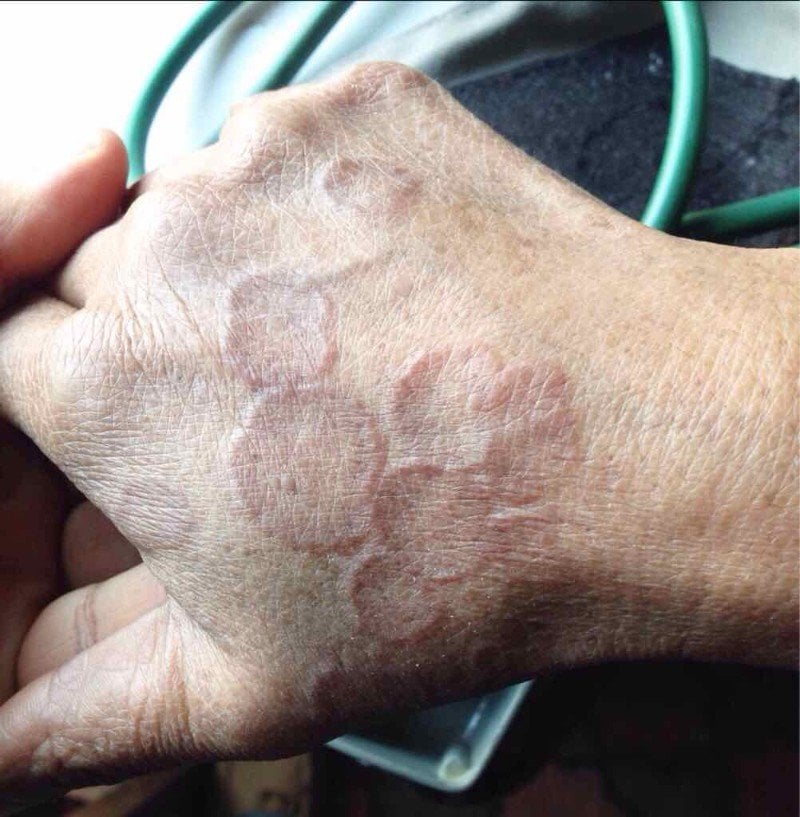
| A 69-year-old woman with a history of hypertension and irritable bowel syndrome presents with multiple ring-shaped lesions on both hands. The lesions are non-pruritic and developed over the past four days. When she visits for follow-up two weeks later, the lesions remain present. What is the most likely diagnosis? |
| A. Erythema multiforme B. Erythema toxicum C. Tinea corporis D. Granuloma annulare Find the answer, discuss this case, and more on Figure 1. |
Continue Your Research
Next Step for Applicants
Use this article as a handoff into structured school research, forum insight, and the next stage-specific resource.
Research Schools
Move from broad interest to structured program research for Medicine.
ValidateExplore the SDN Forums
Learn from premeds, medical students, and physicians sharing real experience in the SDN Forums.
AdvanceApplication Guide
Stay on track with SDN guidance for deadlines, secondaries, interviews, and decisions.
Need advice?
Use SDN expert support when you want confidential answers now or more longitudinal pre-health advising focused on acceptance.
Ask an Advisor
Ask a quick confidential question in an anonymous setting and hear from SDN verified expert advisors. Always human, always free.
Acceptance StrategyWork with a Pre-Health Coach
Work longitudinally with SDN's pre-health coach on application strategy, planning, and decisions that can strengthen your application.


A
D. Granuloma annulare
Can’t be “A” because it is not red in the center and patient does not present with pain or itch. Can’t be “B” which pertains to newborns at birth. Can’t be “C” because that is fungal and there is no scaliness.